
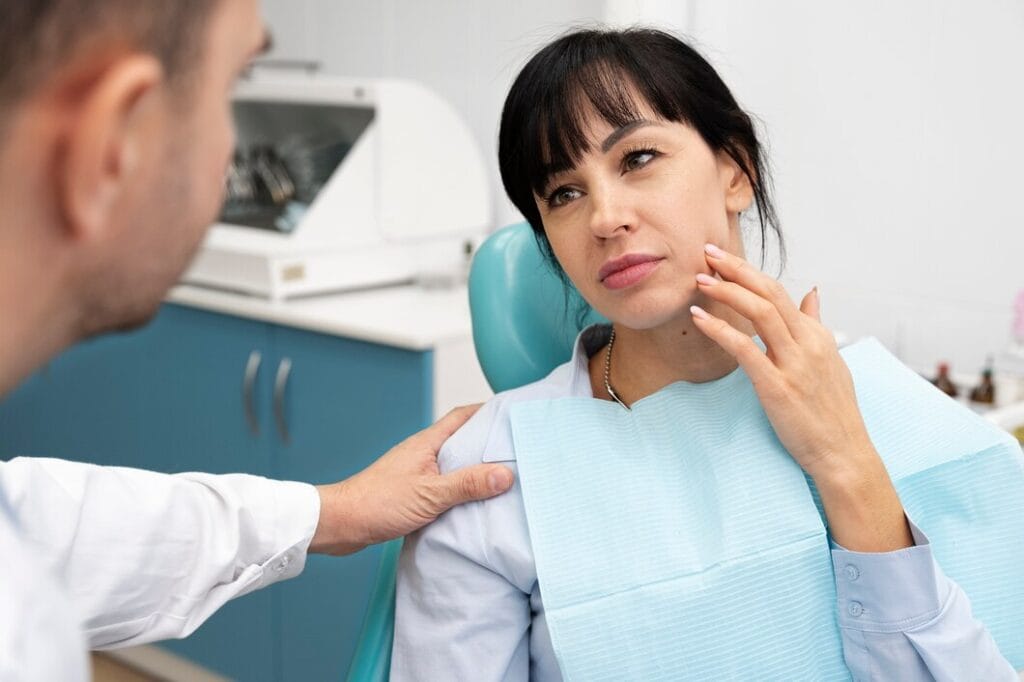
When winter arrives in Clayton, North Carolina, some people start to notice a strange feeling in their jaw. It may feel tight. It may pop or click when they yawn or chew. These signs might not seem like a big deal at first, but they can get more noticeable through the colder months. What many don’t realize is that these symptoms are often tied to the temporomandibular joint, or TMJ.
This small but important joint sits just in front of each ear and helps your jaw move when you talk, eat, or smile. When it’s not working smoothly, it can cause discomfort, stiffness, or even pain. A change in seasons, like the shift into winter, can make these symptoms more pronounced. If you’ve been feeling any of these changes lately, it might be time to learn a little more about how winter can affect the TMJ in Clayton and what small steps can help bring relief. Mooring Dental provides TMJ care for patients in Clayton and nearby communities, including Auburn, White Oak, Powhatan, and greater Garner, so support stays close to home when you need it.
How TMJ Works and What It Does
You probably don’t think much about your temporomandibular joint until it starts acting up. But this joint actually has a big role in your everyday life. It’s what helps your jaw move up, down, and side to side so you can talk, chew, and laugh comfortably.
When something puts extra strain on this busy joint, it can lead to what’s often called TMJ disorder or TMD. It doesn’t always feel the same from person to person, but common signs to look out for include:
- Clicking or popping sounds when you open or close your mouth
- Jaw tightness or soreness that won’t seem to go away
- Trouble chewing certain foods or feeling like your bite is off
- Headaches or earaches that seem related to jaw movement
- Your jaw occasionally locking into place or feeling unusually stiff
For a lot of people, these symptoms come and go. But when they stick around, they can start to affect daily routines. Even enjoying a favorite meal or chatting with friends can become uncomfortable. That’s when it’s worth taking a closer look at what might be causing the problem, especially if it seems to get worse during certain times of year, like winter.
Why Symptoms Might Feel Worse in Cold Weather
Across Clayton, winter doesn’t usually bring snowstorms, but it does get cold enough for your body to notice. When temperatures drop, the muscles in your body naturally tense up, including the ones around your jaw.
Here are a few common reasons your jaw might feel tighter or noisier during the winter months:
- Muscles tighten from the cold, which can make your jaw feel stiffer or more sore, especially in the morning
- Stress from the holidays or changes in routine may lead to more nighttime grinding or daytime clenching
- Dry indoor air or seasonal congestion can lead to more mouth breathing, which pulls your jaw into a position it may not like
All these factors might not seem connected at first, but they can quietly build up on top of each other. If your jaw was already a little sensitive or misaligned, winter’s mix of chilly air, added stress, and mouth breathing might be just enough to make symptoms more noticeable. These layered effects can make a mild issue feel much more intense and noticeable as the months go on.
Common Everyday Triggers That Can Add to Jaw Discomfort
Aside from seasonal changes, simple everyday habits can make jaw discomfort worse. Winter often means more time indoors, curled up with phones, tablets, or laptops. That extra screen time can lead to poor posture, like slouching or jutting your chin forward, which adds pressure to the jaw joint.
Other small things that can sneak up on you during the winter include:
- Chewing tough or sticky foods, like beef jerky or crusty bread, which challenge the jaw when muscles are already tight
- Forgetting to wear a scarf or face covering on chilly days, which can cause you to clench your jaw from the cold
- Holding tension in the body from seasonal sadness or anxious habits like jaw clenching or nail biting
Many of these triggers become habits we don’t think about until discomfort pops up. Paying attention to what stresses your jaw during daily routines is a good step toward finding better comfort. The position you hold your head in, or even biting down without realizing, can be more common during times spent inside and during colder weather.
What You Can Do if You’re Noticing TMJ Symptoms
If you’ve started to feel more clicking, tightness, or discomfort in your jaw recently, especially with the drop in temperatures, there are a few small steps you can take to feel better. You don’t need to try to figure everything out at once, and it’s always a good idea to ask for help when things don’t improve.
Here are a few helpful habits that might reduce strain on your jaw:
- Practice better posture by keeping screens at eye level and sitting with your back supported
- Use a warm cloth or heating pad (wrapped and not too hot) on your jaw for brief periods to relax tight muscles
- Limit habits like gum chewing, biting nails, or chewing on pens that put unnecessary pressure on your jaw
- Keep track of when symptoms appear and what seems to make them worse or better
- Try to lower daily stress by building small breaks or calming routines into your day
Most of all, if symptoms are sticking around or getting worse, getting a professional opinion can be a valuable next step. Whether your discomfort is mild or frustrating, checking in with someone who understands TMJ in Clayton can help make a plan that works for you. The team also uses advanced technology for precise diagnostics and treatment planning, which can help them take a close, detailed look at how your jaw is working. Asking for professional support can provide peace of mind and lead to more comfortable days and nights.
Finding Comfort Through the Winter Months
Living with jaw tension or clicking may not seem like a big deal at first, but it can wear on your comfort, especially during the colder months. The good news is that knowing what’s behind the discomfort can help you feel more in control. Cold weather, dry air, extra stress, and little daily habits all play their part.
Paying attention to what your body’s telling you, along with making changes where you can, makes a difference over time. And support is always nearby when you’re not getting the relief you need. With a bit of awareness and the right help, your jaw doesn’t have to hold you back this winter. Even if you’ve managed discomfort on your own before, understanding how your body responds to seasonal changes can be useful when old patterns return.
At Mooring Dental, we understand that jaw discomfort can be unsettling, especially in winter, and we’re here to help you feel more at ease. The cold can intensify subtle discomfort, but small adjustments and timely care can make a big difference whether the issue has just started or has been lingering awhile. Learn more about how we support patients dealing with TMJ in Clayton and call us at 919-550-5611 to schedule your appointment.