
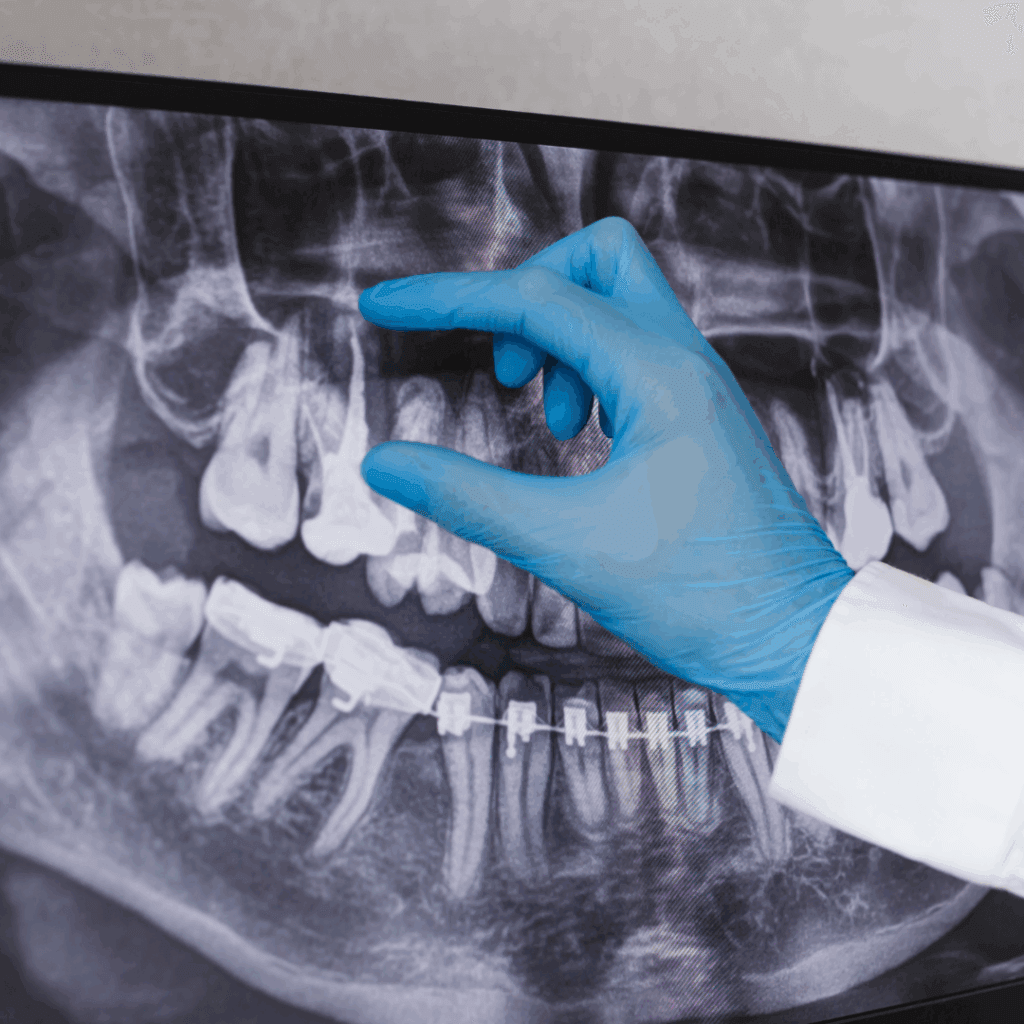
If you’ve ever experienced severe tooth pain or been told you need a root canal, you might feel anxious about the procedure. At Mooring Dental, we understand that root canals have an intimidating reputation, but the truth is they’re one of the most effective ways to save a natural tooth and eliminate pain — not cause it. Let’s explore what root canals actually are, why they’re necessary, and what you can expect during treatment.
What Is a Root Canal?
A root canal is a dental procedure designed to treat infected or severely damaged tooth pulp — the soft tissue inside your tooth that contains nerves, blood vessels, and connective tissue. During this treatment, Dr. Sean Mooring carefully removes the infected pulp, cleans and disinfects the inside of the tooth, and then seals it to prevent further infection.
The term “root canal” actually refers to the natural cavity within the center of the tooth, but it’s commonly used to describe the entire treatment process. This procedure allows you to keep your natural tooth rather than having it extracted, which is always our preferred approach when possible.
The Anatomy of Your Tooth
To understand why root canals are necessary, it helps to know a bit about tooth anatomy:
- Enamel: The hard, outer layer that protects your tooth
- Dentin: The layer beneath the enamel that’s softer and more porous
- Pulp: The innermost layer containing nerves, blood vessels, and tissues
- Root canals: The channels within the tooth roots where the pulp extends
When bacteria penetrate through cracks, deep decay, or trauma, they can reach the pulp and cause infection or inflammation, leading to significant pain and potential tooth loss if left untreated.
Why Are Root Canals Performed?
Severe Tooth Decay
When tooth decay progresses beyond the enamel and dentin layers to reach the pulp, bacteria can cause a painful infection. This often happens when cavities are left untreated for extended periods.
Cracked or Chipped Teeth
Trauma to your tooth — whether from sports injuries, accidents, or biting down on something hard — can create pathways for bacteria to reach the pulp chamber.
Repeated Dental Procedures
Sometimes, a tooth that has undergone multiple dental procedures becomes weakened, and the pulp becomes inflamed or infected, even without visible damage.
Large Fillings
Teeth with very large fillings may eventually develop pulp problems, especially if the filling is old or if decay develops around it.
Faulty Crowns
When crowns don’t fit properly or become damaged, bacteria can seep underneath and infect the tooth’s pulp.
Signs You Might Need a Root Canal
You may benefit from a root canal (depending on your dentist’s assessment) if you experience one or more of the following conditions:
- Persistent Pain: Severe, throbbing pain that doesn’t go away with over-the-counter pain medication is often the most obvious sign of pulp infection.
- Temperature Sensitivity: Sharp pain when consuming hot or cold foods and drinks, especially if the pain lingers after the temperature stimulus is removed.
- Pain When Chewing: Discomfort or sharp pain when biting down or chewing can indicate pulp damage or infection.
- Swelling & Tenderness: Swollen, tender gums around a specific tooth may signal infection that has spread beyond the tooth root.
- Darkening of the Tooth: A tooth that becomes noticeably darker than surrounding teeth may indicate pulp death or damage.
- Recurring Pimples on Gums: Small, pimple-like bumps on your gums that come and go can be a sign of infection draining from the tooth root.
It’s important to note that some infected teeth show no symptoms at all, which is why regular dental checkups are crucial for early detection.
The Root Canal Procedure: What to Expect
Initial Examination and Diagnosis
Using our advanced digital X-ray technology, Dr. Mooring will examine your tooth and surrounding bone structure to determine if a root canal is necessary. We may also perform pulp vitality tests to assess the health of your tooth’s nerve.
Local Anesthesia
We’ll thoroughly numb the area around your tooth to ensure you’re comfortable throughout the procedure. Many patients are surprised to learn that root canal treatment is typically no less comfortable than getting a filling.
Creating Access
A small access hole is made in the crown of your tooth to reach the pulp chamber.
Cleaning and Shaping
Using specialized instruments, we carefully remove the infected or inflamed pulp, then clean and shape the inside of the root canals.
Disinfection
The cleaned canals are disinfected to eliminate any remaining bacteria and reduce the risk of future infection.
Filling and Sealing
The root canals are filled with a biocompatible material called gutta-percha, and the access hole is sealed with a temporary filling.
Final Restoration
In most cases, you’ll need a crown to protect and strengthen the treated tooth. We’ll discuss the best restoration option for your specific situation.
Aftercare and Recovery
Following your root canal treatment, you may experience some mild discomfort for a few days, which can typically be managed with over-the-counter pain medications. Here are some important aftercare tips:
- Avoid chewing on the treated tooth until your permanent restoration is placed
- Maintain excellent oral hygiene, but be gentle around the treatment area
- Take any prescribed antibiotics as directed
- Contact our office immediately if you experience severe pain, swelling, or if your temporary filling comes out
Most patients return to normal activities the next day, and the treated tooth can last a lifetime with proper care.
Modern Root Canal Technology
At Mooring Dental, we use advanced technology to make root canal treatment more efficient, comfortable, and successful. Our digital X-rays provide detailed images with less radiation exposure, while our modern instruments and techniques ensure thorough cleaning and optimal results.
Ready to Get the Relief You Deserve?
Root canal treatment is a proven way to eliminate tooth pain while preserving your natural smile for years to come. Call Mooring Dental at (919)-213-8490 to schedule your consultation with Dr. Mooring & our team!